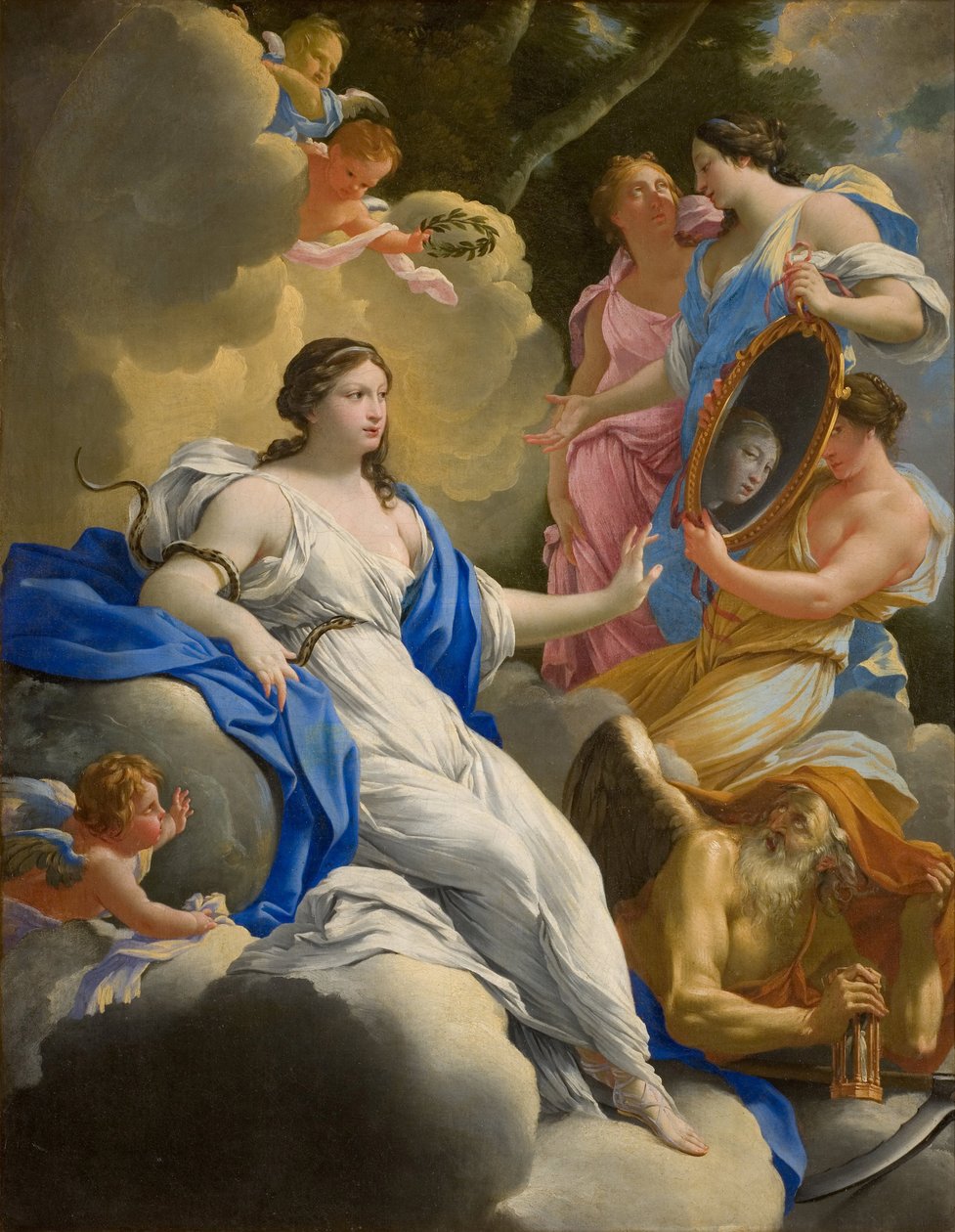
I’ve given the Entered Apprentice Lecture a few times and admittingly, one of the virtues I had a hard time getting my mind around was of Prudence.
As anyone who’s given a lecture has done, you begin to study and learn those parts of the lecture that you’ve heard hundreds of times but yet haven’t stepped back to comprehend it. Hence, my rabbit hole with prudence.
It is the foundation upon which the others stand. Without it, courage becomes recklessness, temperance becomes denial, and justice may veer into vengeance. Prudence brings balance. It is the governor of the soul.
But what is Prudence?
Prudence is the art of seeing clearly. It is not fear disguised as caution, nor cleverness mistaken for wisdom. True Prudence sees beyond the moment. It is the ability to look at our desires, our intentions, and our actions through the lens of consequence, conscience, and calling.
In Proverbs 14:8, we are told,
“The wisdom of the prudent is to understand his way, but the folly of fools is deceit.”
Here, prudence is not merely thinking ahead—it is understanding one’s path, walking in awareness, and aligning one’s steps with truth. It is not about outwitting others, but about being inwardly honest.
The Talmud adds another layer. In Pirkei Avot 2:1, Rabbi Yehuda HaNasi teaches:
“Reflect upon three things and you will not come to sin: Know what is above you—a seeing eye, a listening ear, and all your deeds written in a book.”
This is prudence from the Jewish tradition: to live as if every act matters, as if every moment is sacred. It is a quiet accountability, born not of fear, but of reverence.
In the Lodge, we are not judged by how much we know, but by how well we apply it. Prudence is that application. It is the working tool of moral builders. When we enter into discussions with our Brethren, when we guide the newly initiated, when we confront conflict or temptation—Prudence steadies the hand.
It is the virtue that says:
- “Wait.”
- “Consider.”
- “Do not be ruled by passion, but by principle.”
Brothers – this is a virtue I need to particularly attend to.
In our world—impatient, reactive, intoxicated with immediacy—Prudence is an act of resistance. To be prudent is to choose integrity over expedience, reflection over reaction, silence over noise. It is the hidden strength that builds lasting peace.
And it is sorely needed today.
Let this virtue be calmness before your storm, the gate of what you speak, and the patience of your mind before your actions.
“Prudence is the knowledge of what to seek and what to avoid.”
— St. Augustine


Leave a Reply